Invoices Templates: Streamlining Your Business Paperwork
Let’s be honest, nobody starts a business because they love paperwork. You started it because you have a great product, a unique service, or a creative vision you want to share with the world. Yet, the unglamorous reality of running a business is that you have to get paid. And to get paid, you need a system. That system is built on clear, professional, and consistent documents. This is where the right tools become invaluable, and a well-designed set of invoice templates is one of the most powerful tools you can have in your arsenal.
A high-quality invoice template is far more than just a blank space to type a number. It’s a critical touchpoint with your client. It communicates your professionalism, attention to detail, and brand identity. A sloppy, confusing invoice can create doubt and delays, while a clean, clear one builds trust and speeds up payment. This article explores the essential world of invoice templates, breaking down their components, their visual impact, and how to choose the right ones to make your billing process seamless and professional.
Deconstructing the Essential Invoice Template
An effective invoice template isn't just one thing; it's a collection of carefully organized components that guide your client from the first glance to the final payment. Understanding these parts is the first step in appreciating good design in business documentation.
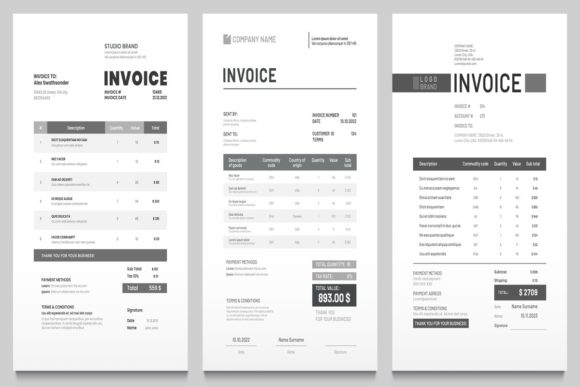
At its core, a professional invoice template includes several non-negotiable elements. The header must prominently feature your business name and logo, establishing immediate brand recognition. Below that, clear sections for both your business contact information and the client's details ensure there's no confusion about who is involved. The heart of the invoice is the itemized list of services or products provided. This section needs columns for description, quantity, unit price, and line total, all laid out for easy scanning. The summary section is equally crucial, detailing subtotals, applicable taxes, discounts, and the final amount due. Finally, clear payment terms, accepted payment methods, and a due date provide the necessary instructions to close the loop.
Visually, the best invoice templates strike a balance between clarity and character. They use a clean, modern typography hierarchy—a bold, clear typeface for headers and a highly readable sans serif font for the body text. White space is used strategically to prevent the document from feeling cluttered and overwhelming. Color is employed sparingly but effectively, perhaps using your brand's primary color for headers or key totals to draw the eye to the most important information. The overall style should feel professional and trustworthy, yet aligned with your brand's personality, whether that's minimalist, creative, or corporate.
Where Invoice Templates Make the Biggest Impact
The utility of a good invoice template extends far beyond just sending a bill. It becomes a cornerstone of your operational efficiency and brand presentation across various scenarios.
For small business owners and freelancers, it's a lifeline. It transforms a time-consuming, error-prone task into a quick, repeatable process. Instead of reinventing the wheel with every new project, you simply pull up your template, fill in the specifics, and send. This consistency not only saves hours but also ensures every client receives the same high-quality experience. For service-based businesses like consultants, designers, or writers, the invoice is a direct reflection of the professional service you provided. A polished invoice reinforces the value of your work.
In the realm of e-commerce and product sales, invoice templates integrate with order management. They serve as a formal record of the transaction, a receipt for the customer, and a key document for your own accounting and inventory tracking. For agencies and studios handling multiple clients, standardized templates are non-negotiable for maintaining brand consistency across the entire organization. It ensures that whether a project is billed by the marketing team or the design team, the document looks and feels like it comes from the same company. This builds a cohesive brand identity that extends into every operational detail.
Choosing and Implementing Your Perfect Template
Selecting the right invoice template set requires a practical eye. You're not just choosing a pretty design; you're choosing a business tool. Here’s how to evaluate your options.
First, consider the file format. A premium font or template set that includes vector files, such as an EPS or AI file, is incredibly valuable. This allows you to fully customize the template in a vector editor like Adobe Illustrator. You can adjust colors to match your brand palette exactly, modify the layout to include custom fields relevant to your industry, or even remove elements you don't need. A static JPEG at 72ppi is useful for a quick preview, but it's not editable for professional use. Always look for the source vector file.
Next, think about readability and function. Test the template with your own data. Is there enough space for your lengthy service descriptions? Are the columns for numbers and totals aligned perfectly to avoid confusion? The font used in the template should be a clean, legible sans serif font for the body copy—this is critical for ensuring the numbers and details are instantly understandable. A decorative script or display font might be used for your business name in the header, but the core information must prioritize clarity above all else.
Finally, review the licensing. If you're using a template that includes a premium font, ensure the license covers commercial use, especially if you're creating invoices for your business. A reputable set will clearly outline what is permitted. The goal is to find a design asset that not only looks good but also functions flawlessly within your workflow, saving you time and presenting your business in the best possible light. A well-chosen invoice template is an investment in your business's professionalism and efficiency, turning a mundane task into a seamless part of your brand experience.